
3D Rendering. Reimagined with AI
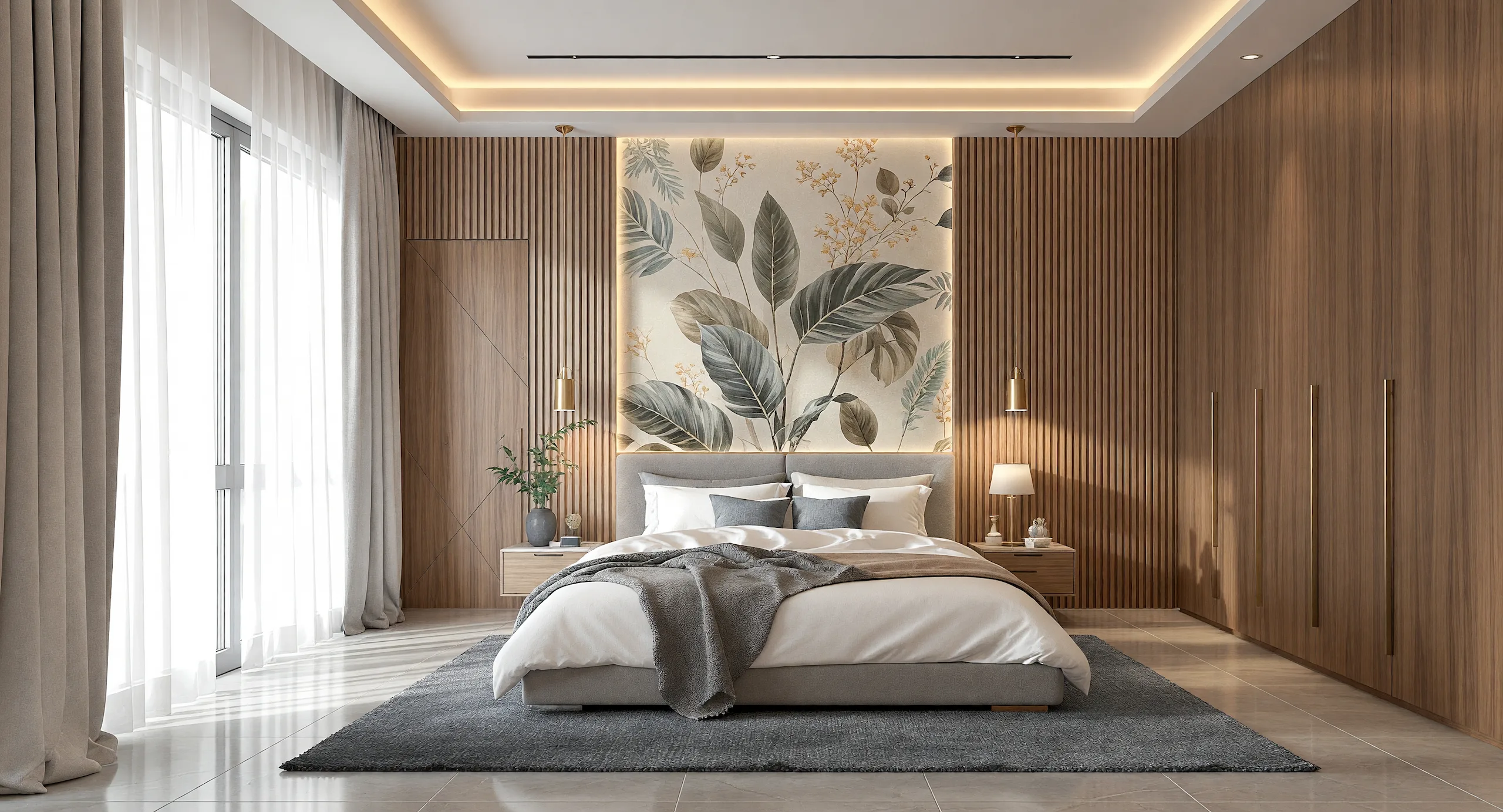
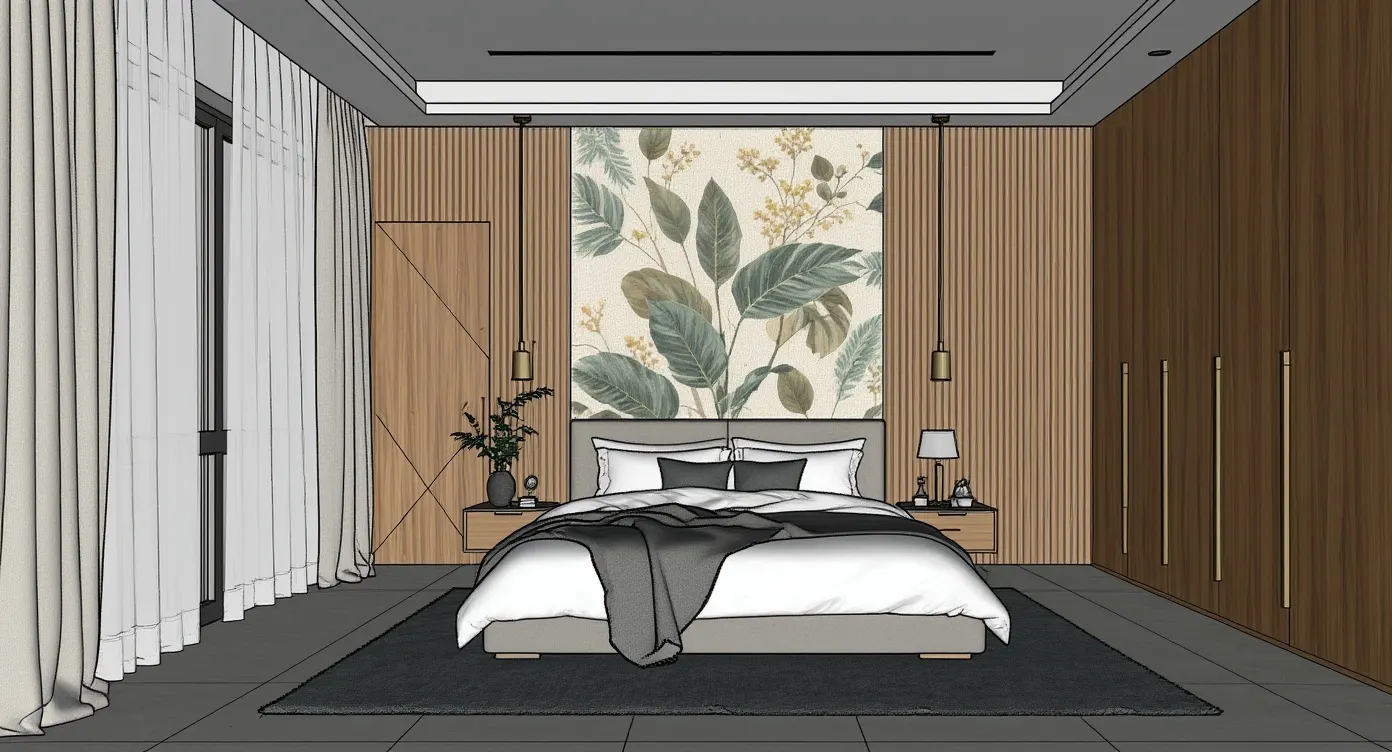
Turn a 3D model into a photorealistic render in under a minute. Three render engines to pick from, lighting you can change on the fly, edits you make by typing, and a full version history — all in the browser, with your geometry and materials left exactly as you built them.
One tool, three ways to render
Pick the engine that fits the job — a quick concept, a day's production work, or a final 3D render headed for a client presentation or your portfolio. Switch between them on the same scene whenever you like.
Fidelity
Balanced quality with precision
Best for quick iterations and first drafts. Fidelity gives you a clean, accurate 3D render fast, so you can explore ideas before committing to a direction.
Lumen
Great quality at faster speed
Lumen pushes lighting and materials further without slowing you down — best for the daily client work you do.
HyperReal
Pro & Studio PlansPortfolio-grade realism
Our top-tier engine for final deliverables. Rich detail and sharp AI upscaling produce a 3D render most people would take for a photograph.
Relight any interior render in seconds
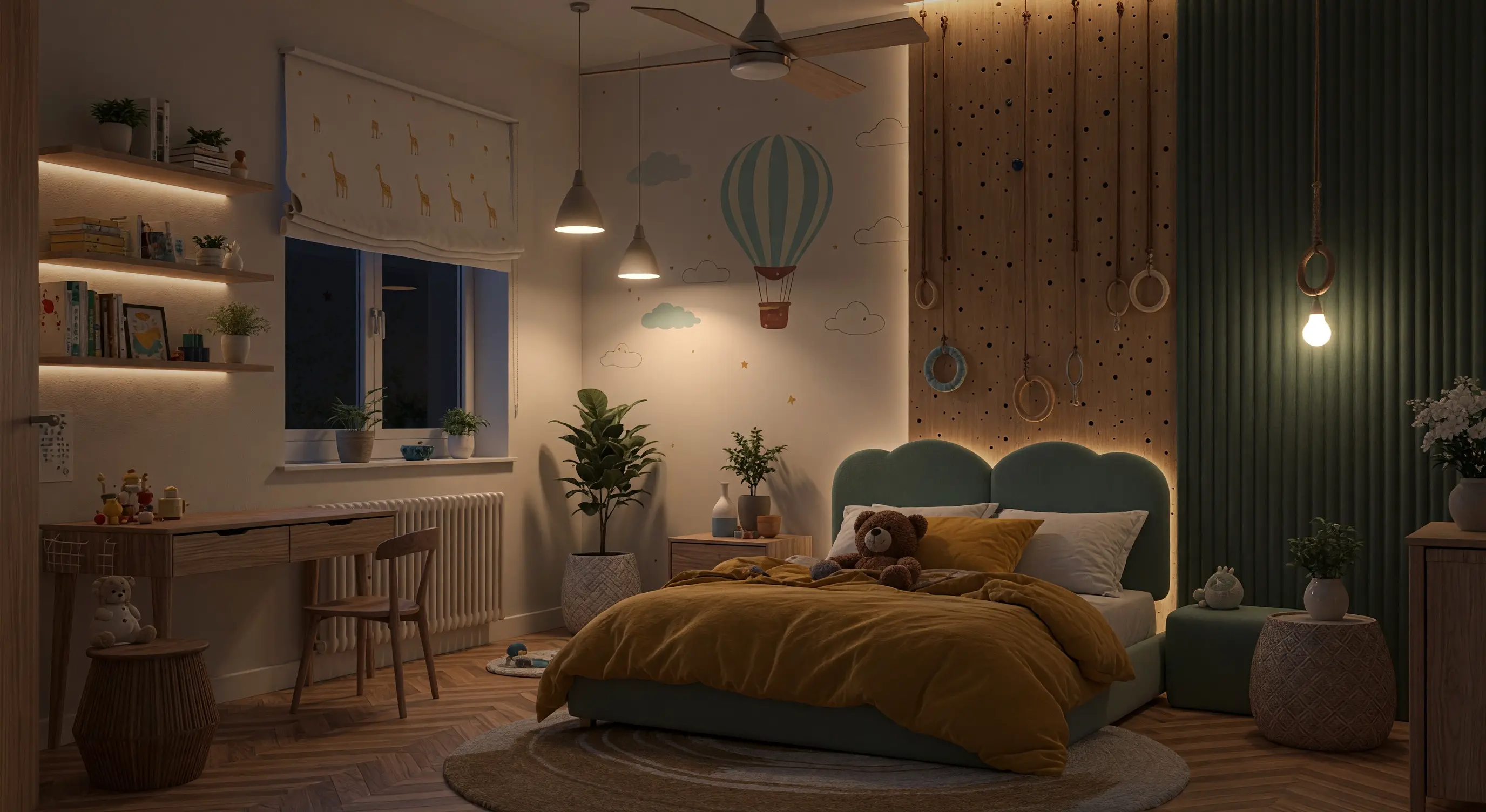
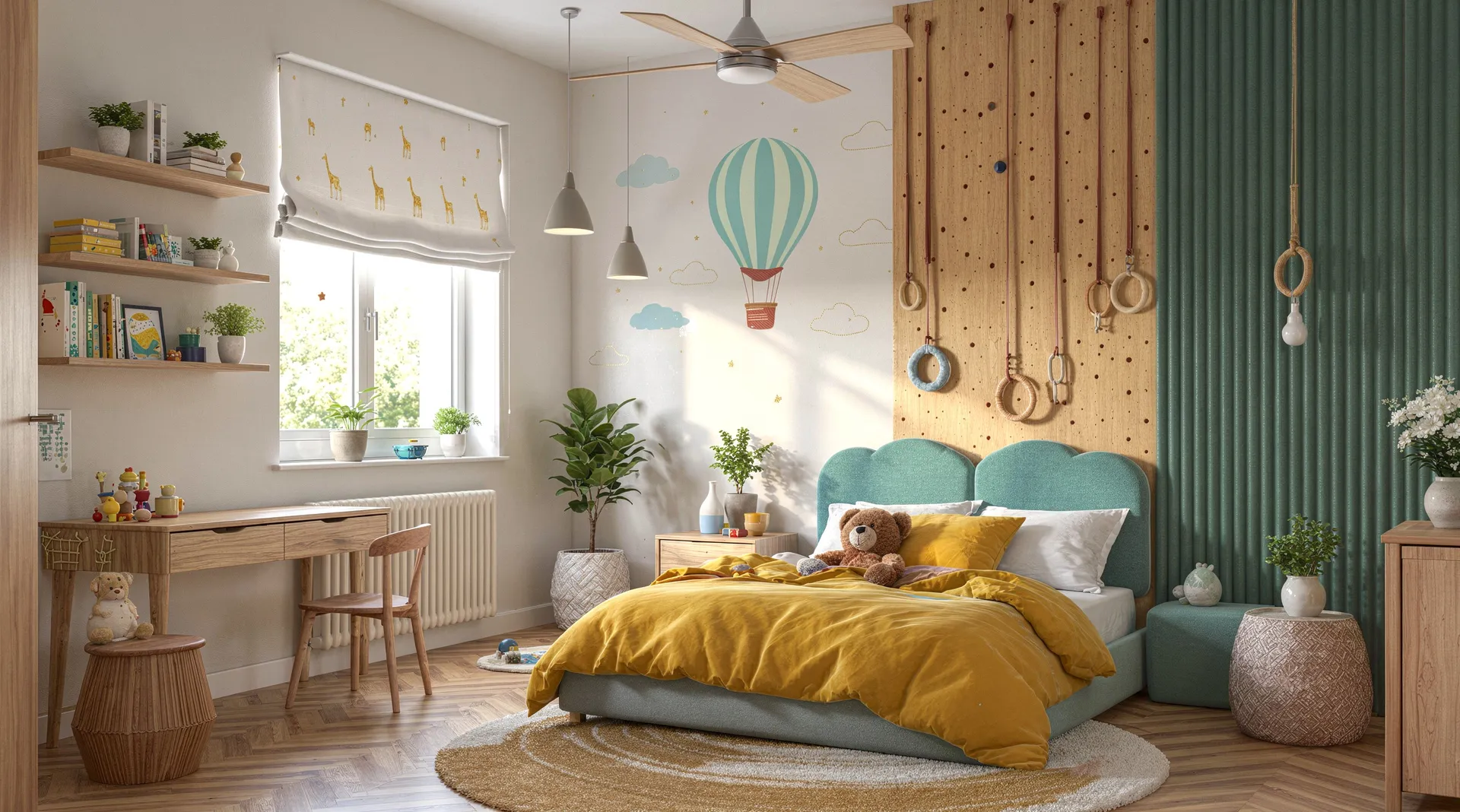
Lighting changes that used to mean hours in V-Ray or Lumion now take seconds. Vibe3D's relight controls let you dial in natural daylight, ceiling fixtures, and accent lights on a finished render — no re-render, no waiting for a fresh pass.
Push a room from bright morning to warm dusk, or balance the interior lights against the view until the mood feels right.
Edit your 3D render by typing what you want
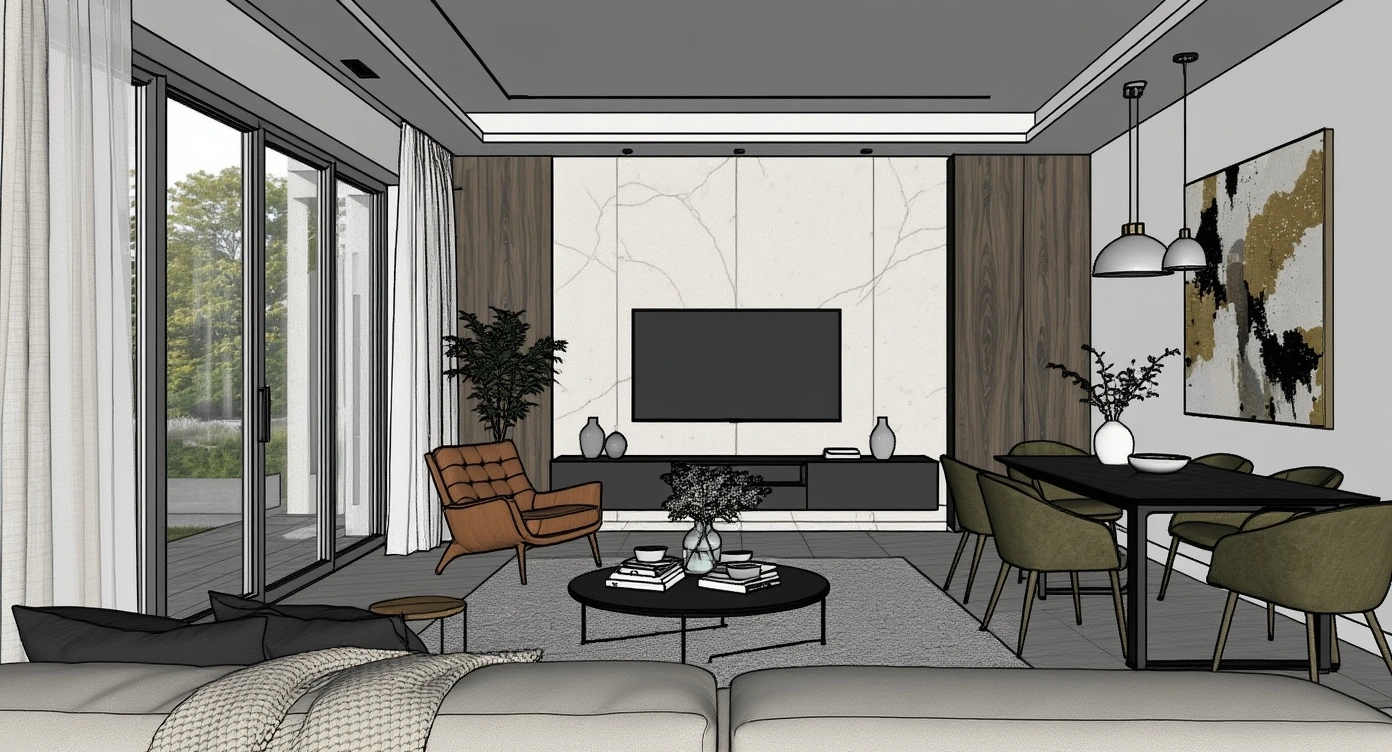
Don't like the sofa? Mask it, type “mid-century leather armchair,” and it's swapped out — everything else in the scene stays put. Change the flooring, move the sky to golden hour, add people or landscaping, all in plain English and right on the render.
No trip back to SketchUp or Revit, no re-rendering from scratch. Structured prompts hold your geometry, camera, and materials in place, so each edit stays true to the design.

Version history & tracking
Every render, relight, and edit is saved as its own version. Look back through a scene, compare variations, and jump to any earlier version in a click — so trying out options never costs you the one you liked.
Presentation mode
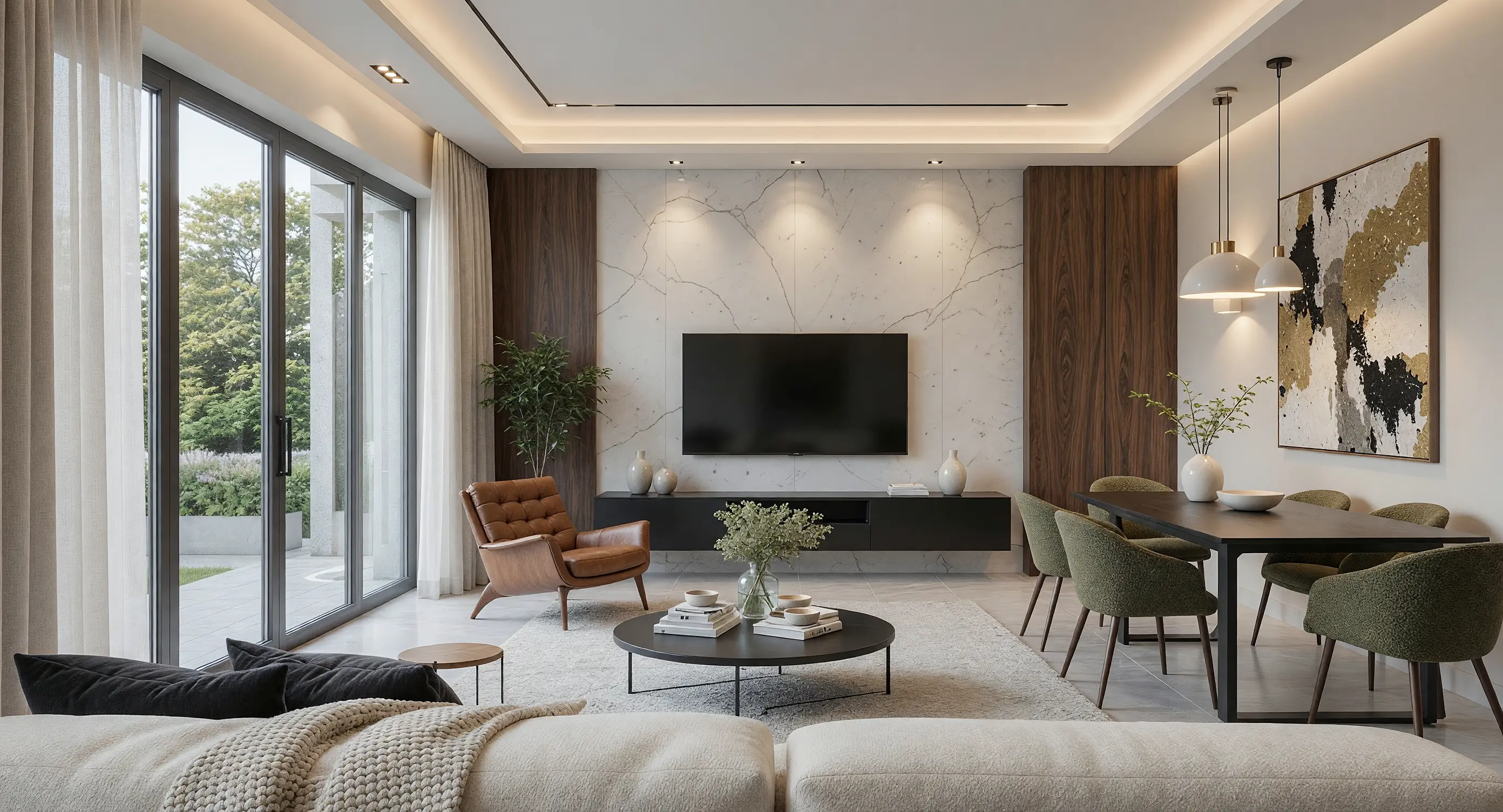
Turn a set of renders into a full-screen client presentation in one click. Walk stakeholders through scenes and videos with before/after comparisons in a clean viewer — no exporting to slides first.
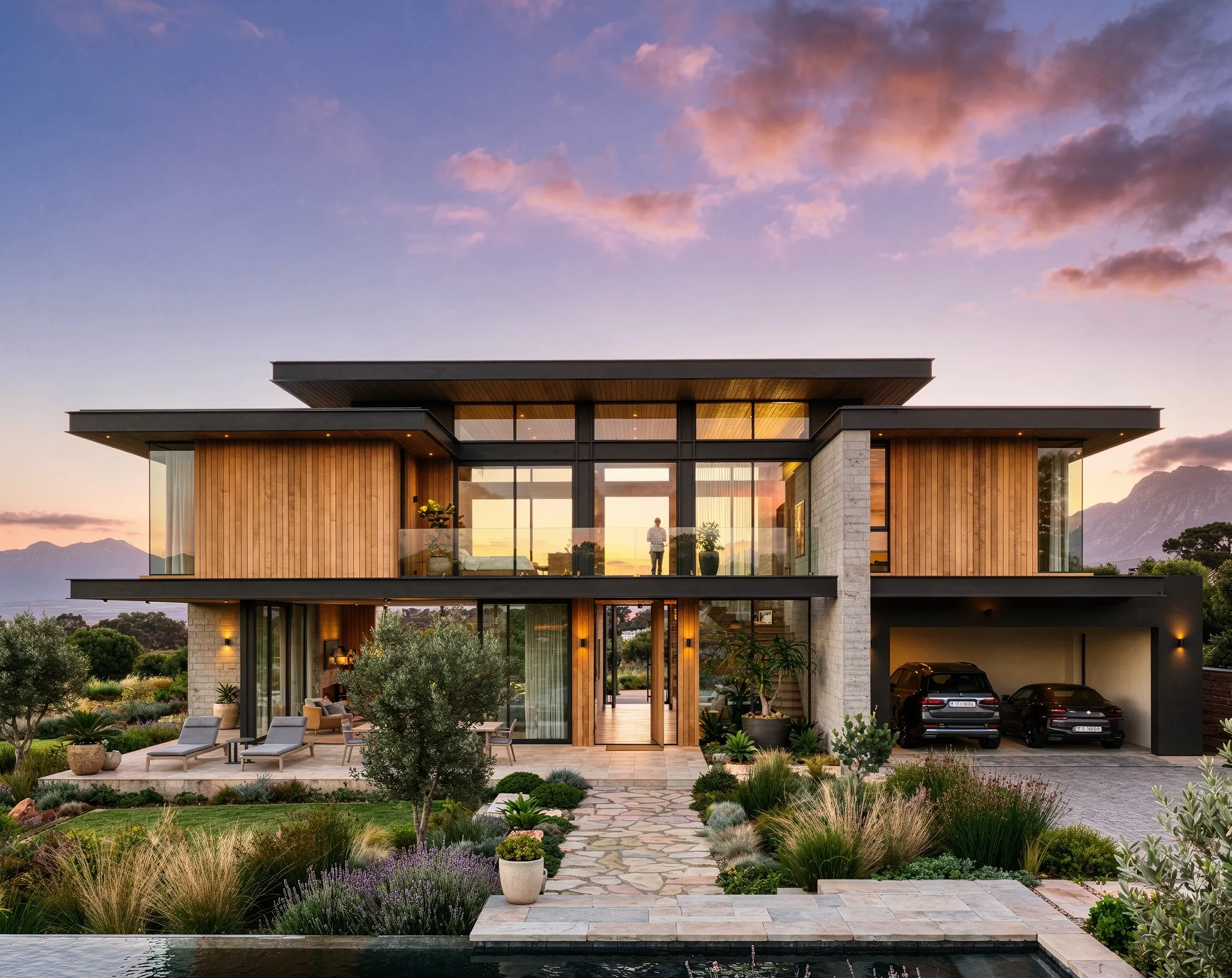
Villa Alcove
3D Visualisation Project
Close-up shots
Zoom into any part of a 3D render — a material detail, the corner of a room, a façade element — and get it at full resolution without re-rendering the whole scene. Handy for spec sheets and material boards.
3D renders that stay true to your design
Vibe3D isn't a generic image generator. Our AI reads your scene's structure, camera, and materials, so the 3D render you get back is unmistakably your project — just photorealistic. It's built for architects and interior designers doing real client work, not for looking good in a demo.
100% geometry-accurate
Every window mullion, cladding joint, and material assignment is preserved — this is a render of your model, not an AI reinterpretation of it.
2K by default
3D renders export at up to 2048×2048 or 2560x1440, crisp enough for large-format print and full-screen client presentations.
No prompting needed
The AI reads your scene's architecture, camera, and materials on its own. Upload and render — no prompt engineering.
Runs in the cloud
Heavy GPU work happens on our servers. Generate high-resolution 3D renders from a laptop, tablet, or any browser.

Common questions on 3D rendering
What is 3D rendering with AI?
AI 3D rendering turns a 3D model into a photorealistic image without the traditional ray-traced render pipeline. Vibe3D reads your scene's geometry, camera angle, and materials, then produces a 3D render in under 60 seconds — no manual lighting setup, no render farm, and no prompting required.
How long does a 3D render take?
Most 3D renders complete in 30–60 seconds at 2K resolution, even for complex scenes. Because rendering runs on our cloud GPUs, turnaround doesn't depend on your local hardware.
Which render engine should I use?
Use Fidelity for quick concept iterations, Lumen for everyday production renders, and HyperReal when you need photographic quality for final client deliverables. You can switch engines on the same scene at any time.
Do I need to prepare my 3D model before rendering?
No. Vibe3D works directly with your existing model from SketchUp, Revit, Archicad, Rhino, and other tools — preserving geometry, materials, and composition. There's no texture baking, scene cleanup, or manual setup.
Can I edit a 3D render after it's generated?
Yes. You can relight the scene, change materials or time of day, and make targeted edits with a simple comment — all without going back to your 3D model or re-rendering from scratch. Every version is saved so you can compare and revert.
Can I try this 3D AI for free?
Yes. You can create an account and generate your first 3D renders free, no credit card required. The Fidelity and Lumen engines are available on the free tier; HyperReal unlocks on Pro and Studio plans.